From Phoenician shores to World Surfing Reserve. Three thousand years of salt, storms, and reinvention on the Atlantic coast.
01 - Origins
A Terra dos Ouriços
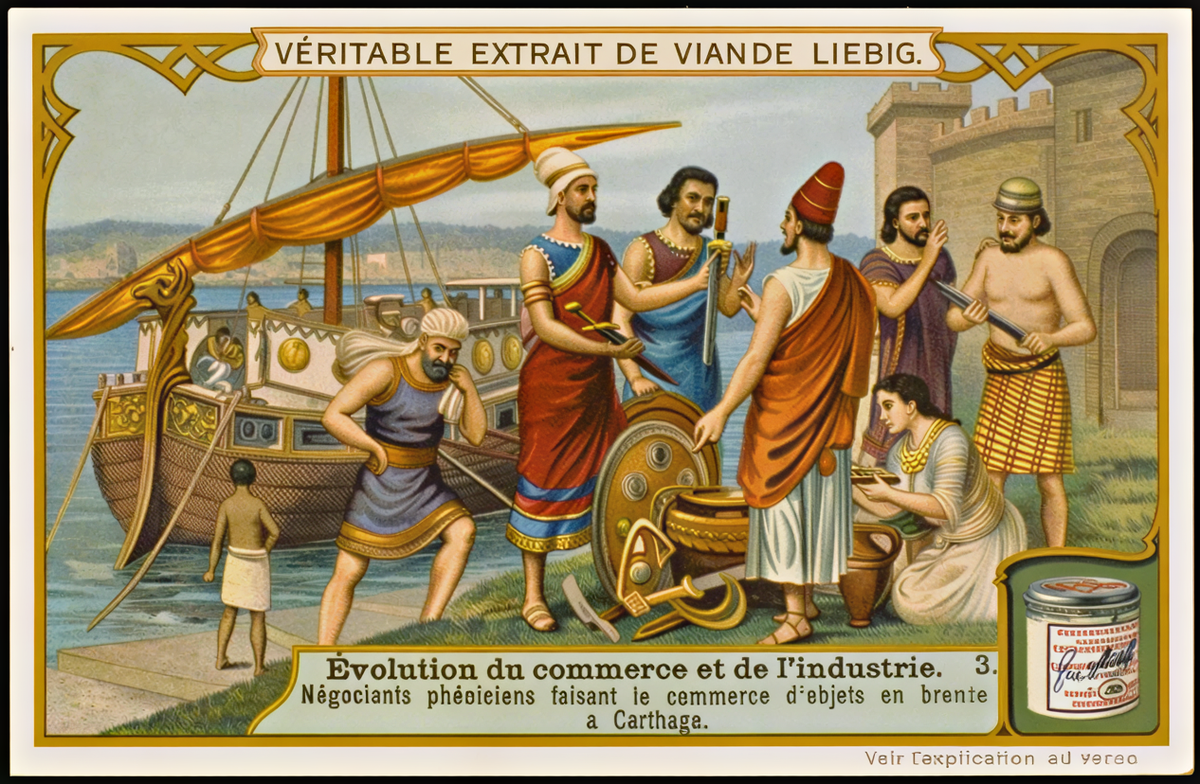
Phoenician traders on the Iberian coast
Ericeira's roots reach back to around 1000 BC, when Phoenician traders likely used the rocky coastline as a stopover and settlement. The village's name derives from the abundant sea urchins (ouriços-do-mar) that have always populated its rocky shoreline - Ericeira is a derivation from the Latin meaning "place where sea urchins abound."
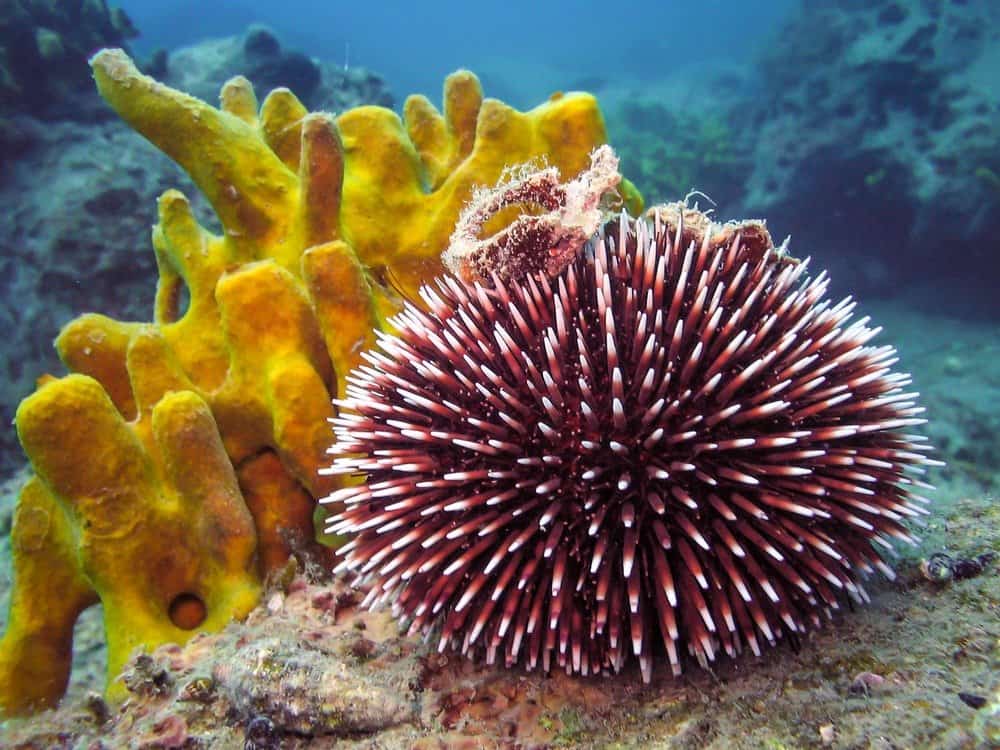
The sea urchin (ouriço-do-mar) - Ericeira's namesake
The sea urchin became the symbol of the village, appearing on Ericeira's coat of arms. Some historians have noted that the heraldic depiction resembles a hedgehog (ouriço caxeiro), which may also have served to invoke the Phoenician goddess Astarte - but the original inspiration was the spiny creatures clinging to the rocks at the water's edge.
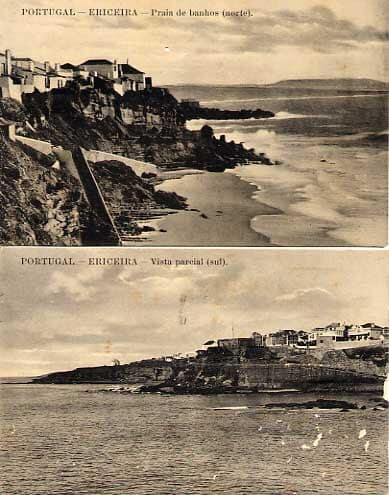
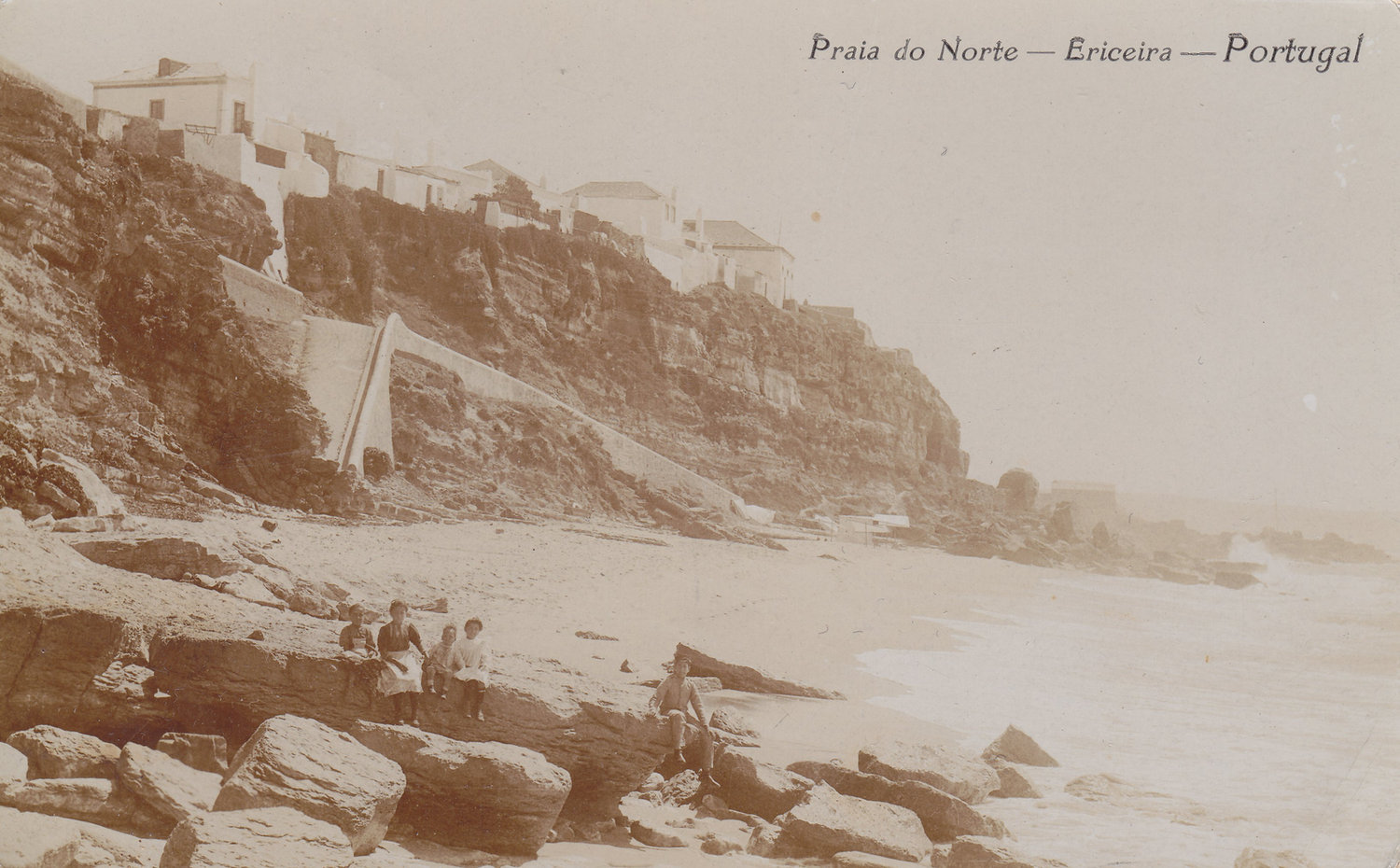
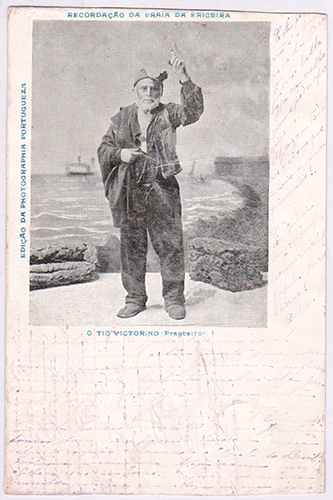
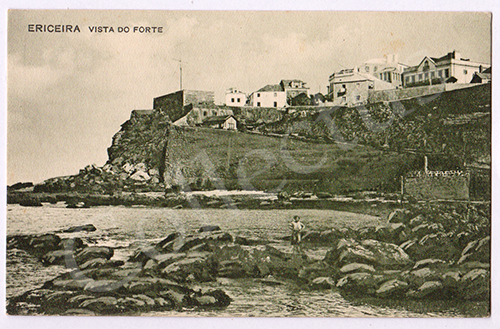
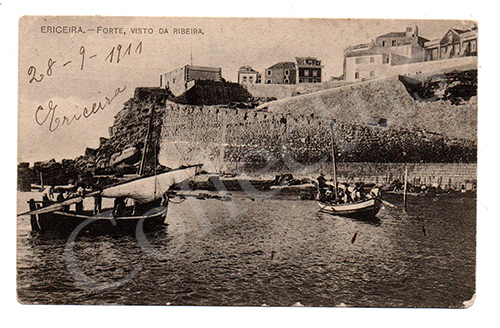
Historic view of EriceiraEriceira in the early 20th centuryEriceira beach, postcard circulated 1904Ericeira - view from the fortFort seen from Ribeira, postcard 1911
02 - Medieval Ericeira
Charters & Councils
The first municipal council of Ericeira was established in 1229 by D. Frei Fernão Rodrigues Monteiro, Grand Master of the Military Order of Aviz. The village was granted new charters (forais) in 1369 by King Afonso IV and again in 1513 by King Manuel I, cementing its status as a recognized settlement with trading rights.
By the mid-19th century, Ericeira lost its status as an independent municipality and was absorbed into the larger Concelho de Mafra, where it remains administratively today.
~1000 BC
Phoenician Settlement
1229
First Municipal Charter
1910
Last King Departs
2011
World Surfing Reserve
03 - The Golden Age
Porto de Comércio
Ericeira reached its peak importance in the 19th century, when its port became the fourth most economically significant in Portugal - after Lisbon, Porto, and Setúbal. The Alfândega de Ericeira (customs house) was a vital hub, distributing grains and cereals to the Portuguese interior and exporting wines from the Algarve region.
The construction of the Western Railway (Caminho-de-Ferro do Oeste) gradually diminished the port's commercial importance as overland transport became more practical. But by then, the village had already begun its transformation into a destination of a different kind.
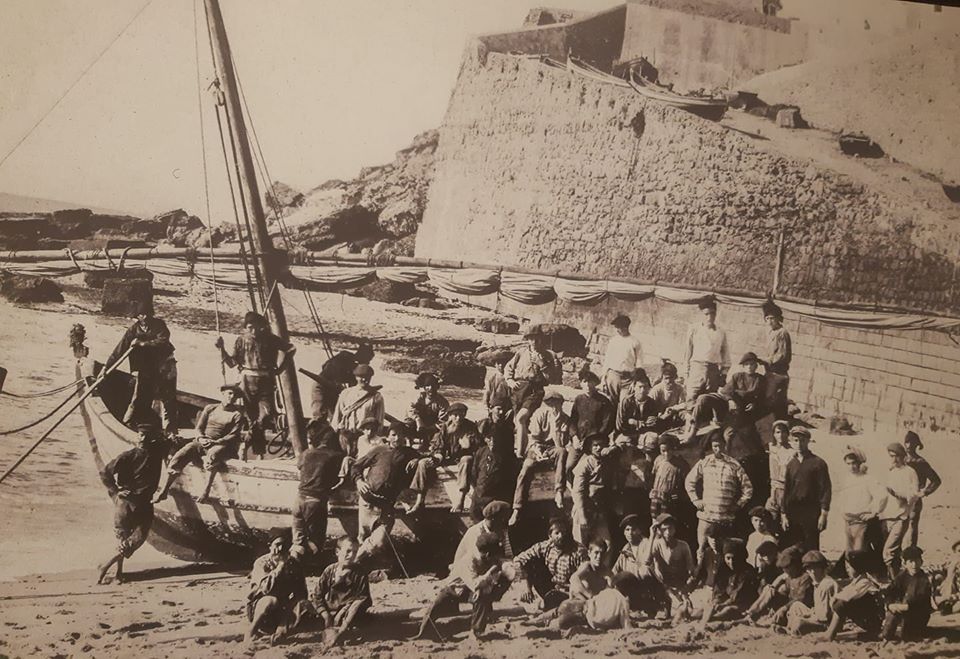
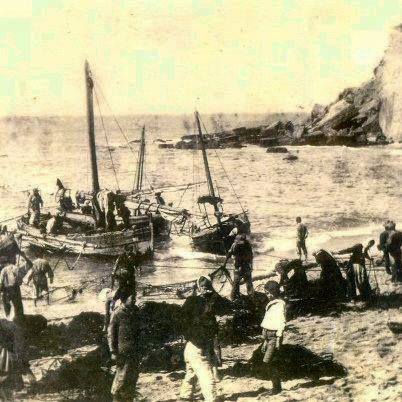
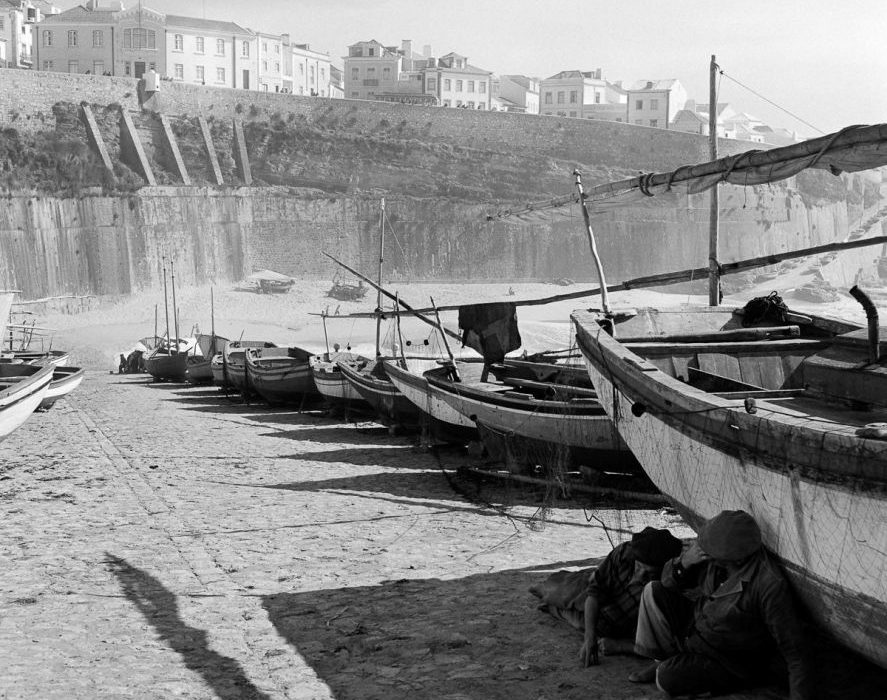
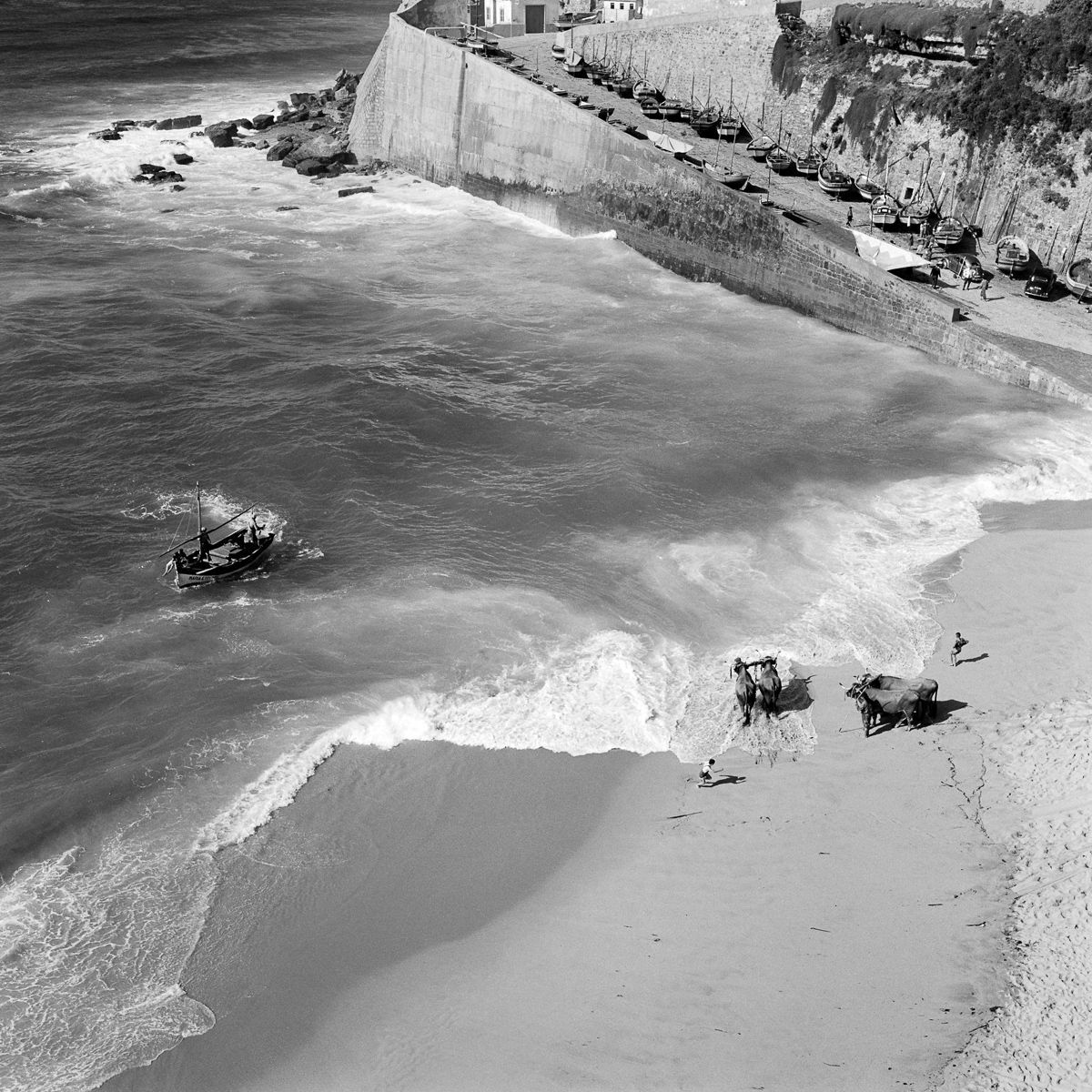
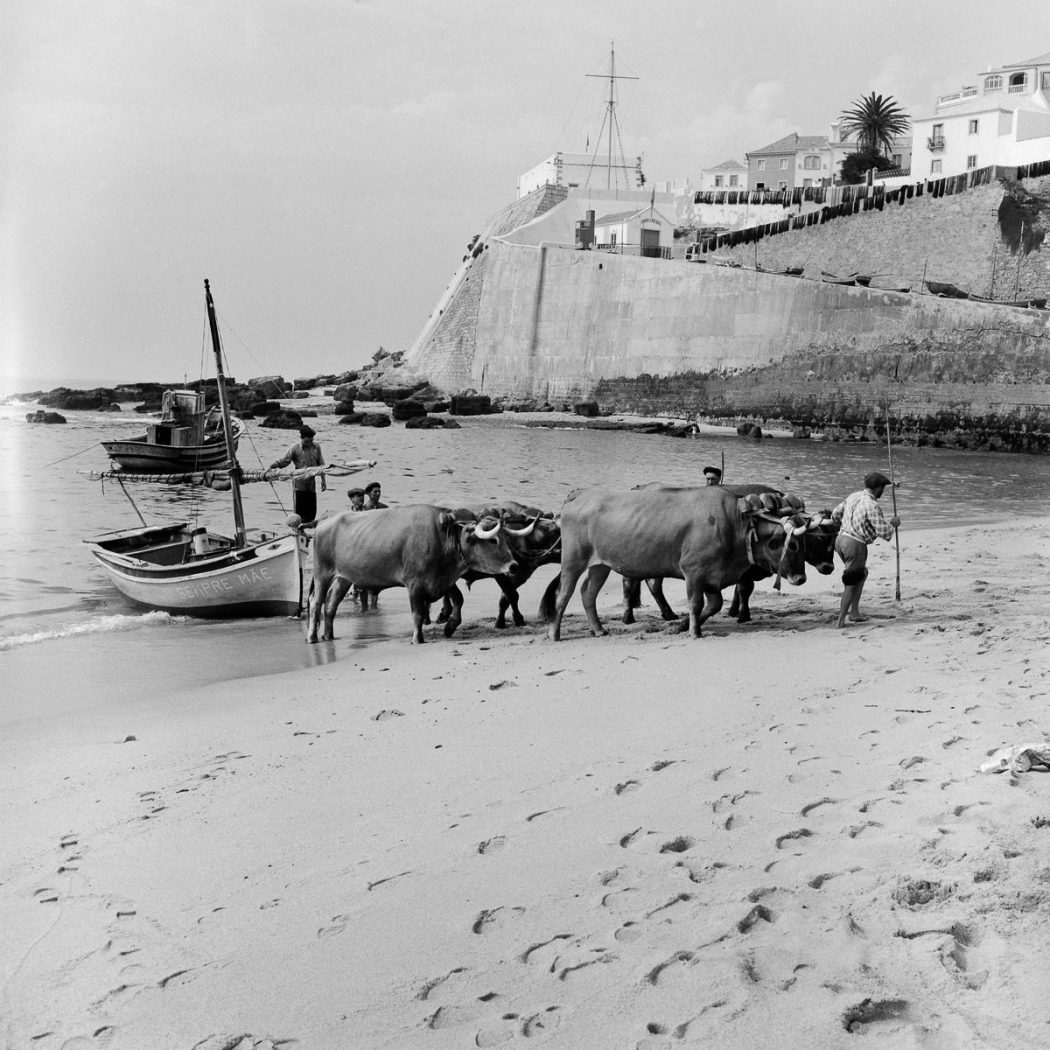
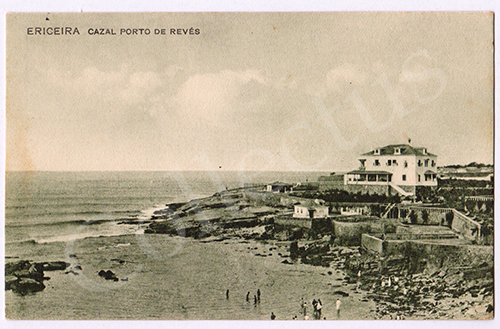
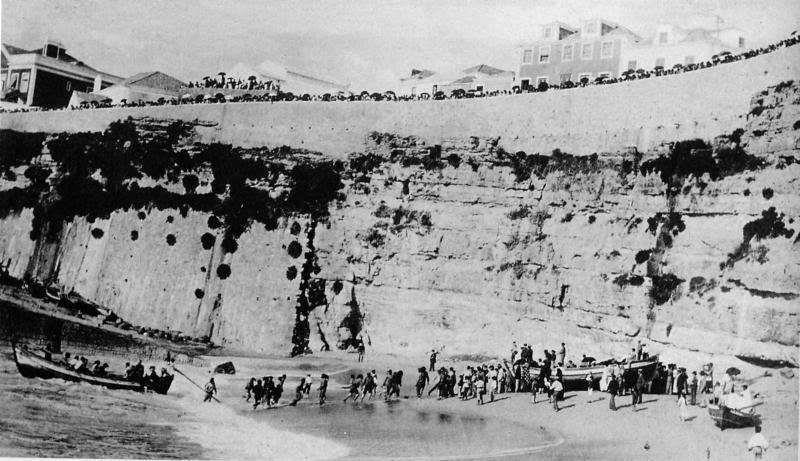
The fishing port of Ericeira in earlier timesFishermen of Ericeira, early 20th centuryFishing in Portugal, 1950s - Calouste Gulbenkian FoundationPortuguese fishermen, 1950sFishing boats, 1950sCasal Porto de Revés - View of the current Vila Galé Hotel
04 - The Royal Escape
October 5, 1910
Ericeira's most dramatic historical moment came on October 5, 1910, when King Manuel II - the last king of Portugal - boarded the royal yacht Amélia from the fishing harbor of Ericeira, fleeing the Republican revolution that had erupted in Lisbon. The royal family sailed to Gibraltar and then to exile in England, ending 800 years of Portuguese monarchy.
A plaque at the harbor marks the spot where the king departed. The event is one of the most significant moments in Portuguese history, and Ericeira's quiet fishing port was its unlikely stage. The small beach where the royal family boarded - Praia dos Pescadores - is the same beach where fishermen still haul in their catch today.
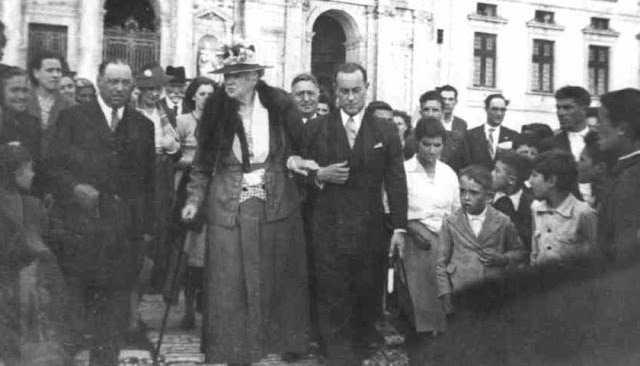
King Manuel II's departure from Ericeira, October 5, 1910 - the last king of Portugal fleeing the Republican revolutionQueen Amelia's visit to Ericeira, August 25, 1891 - not the 1910 escape, but an earlier royal visit. The Philharmonic Orchestra played the Hymn of the Charter as the townspeople welcomed her.
05 - Tourism & Society
From Royal Retreat to Coastal Resort
Long before surf tourism, Ericeira's beaches drew visitors during summer - including members of the royal family and the Bishop of Coimbra, who prized the coast for its proximity to Lisbon and the high iodine content of its waters, believed to have therapeutic qualities.
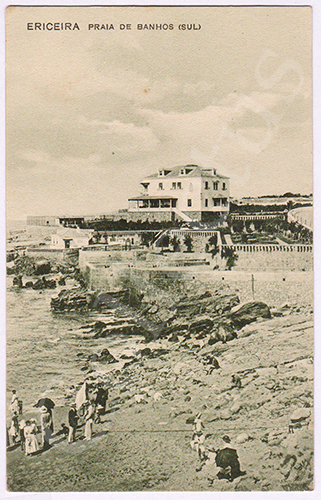
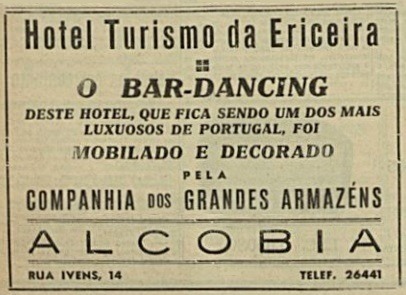
In the early 20th century, aristocratic families from Lisbon began building summer homes in the village. Hotels and bathing pavilions opened, and Ericeira settled into a quiet rhythm as one of the Lisbon region's preferred summer escapes - until the war changed everything.
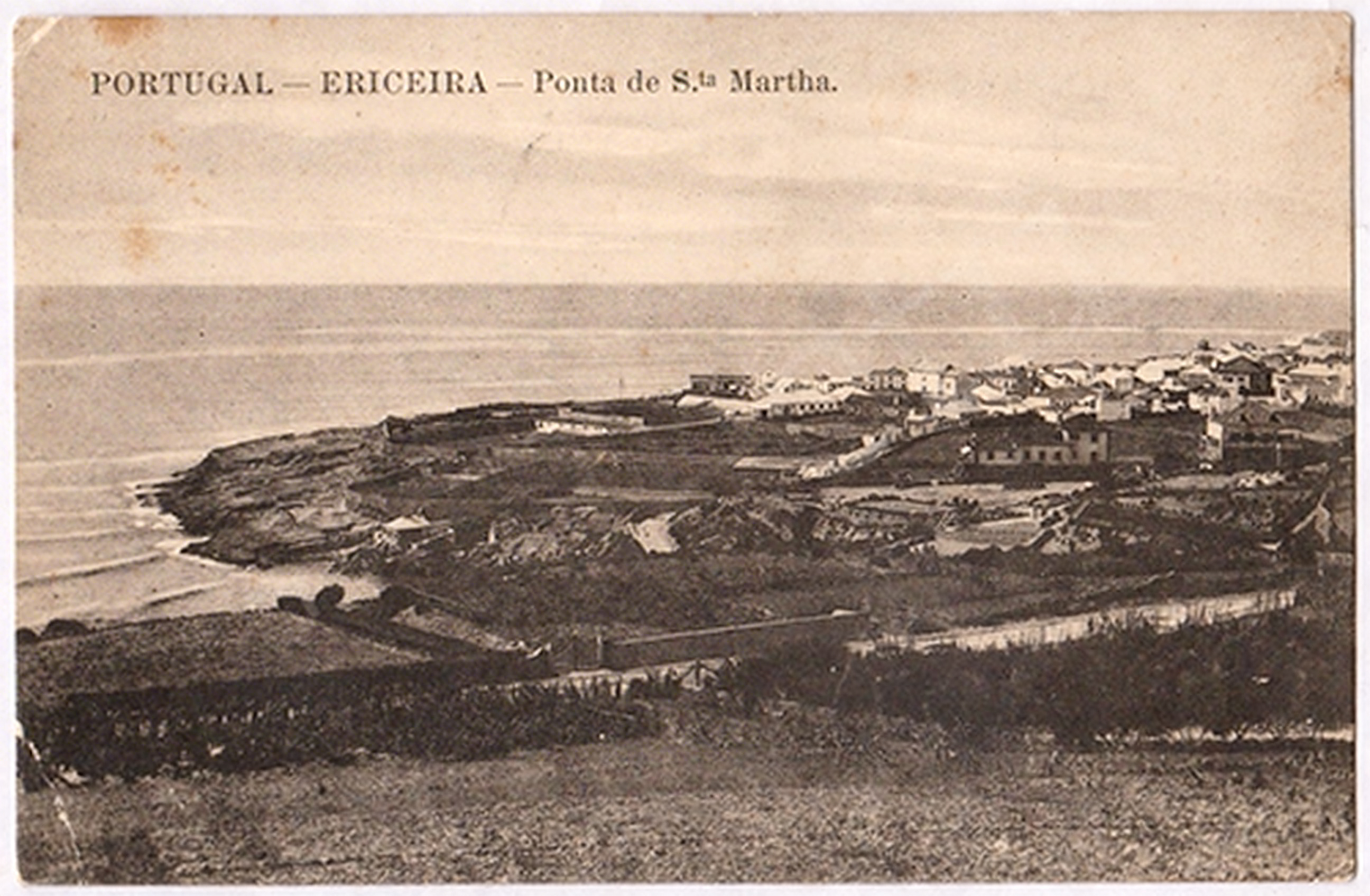
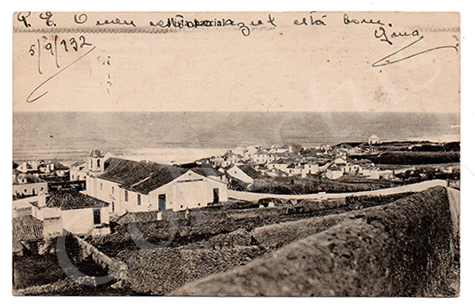
Ponta de Santa Marta, postcard by Ângelo Augusto do CarmoEriceira bathing beach (south)Ericeira partial view, postcard 1932Hotel de Turismo da Ericeira
06 - The Other Expats
Refugees in Ericeira, 1940–1945
After Hitler's invasion of France, tens of thousands of refugees fled toward Portugal in search of a safe place to escape the war. Many thousands arrived clutching visas issued by Aristides de Sousa Mendes, the Portuguese consul at Bordeaux, who - without official authorization and defying Salazar's direct orders - signed roughly 30,000 visas in the summer of 1940, saving the same number of lives. Salazar was the Portuguese dictator at the time, and Portugal was a fascist regime almost entirely sealed off from outside cultural influence.
The refugees were "forced" to live in small villages, strategically chosen by the regime, while waiting for onward transport to the United States, Mexico, Argentina or Brazil. Ericeira was one of those villages. A few hundred refugees - mostly Jews - could walk freely within the village limits, but were forbidden from leaving without official authorization and an escort from the political police. They were also forbidden from working: their only income was a small subvention paid by the Committee for Jewish Refugees. Refugees passing through Ericeira came from Belgium, France, Germany, Italy and England.
Most arrived with university degrees and prominent jobs in their home countries, and their sudden presence in such a small village had a huge cultural impact on daily life. Simple things were enormous surprises for the locals: a couple kissing on the mouth in public, women sitting alone smoking in coffee shops, conversations on any subject without taboo. Fritz Teppich, a Jewish refugee from Belgium who spent several years here, later wrote A Refugee in Ericeira, testifying: "I never noticed any envy or animosity towards us in the village, nor any hostility towards foreigners."
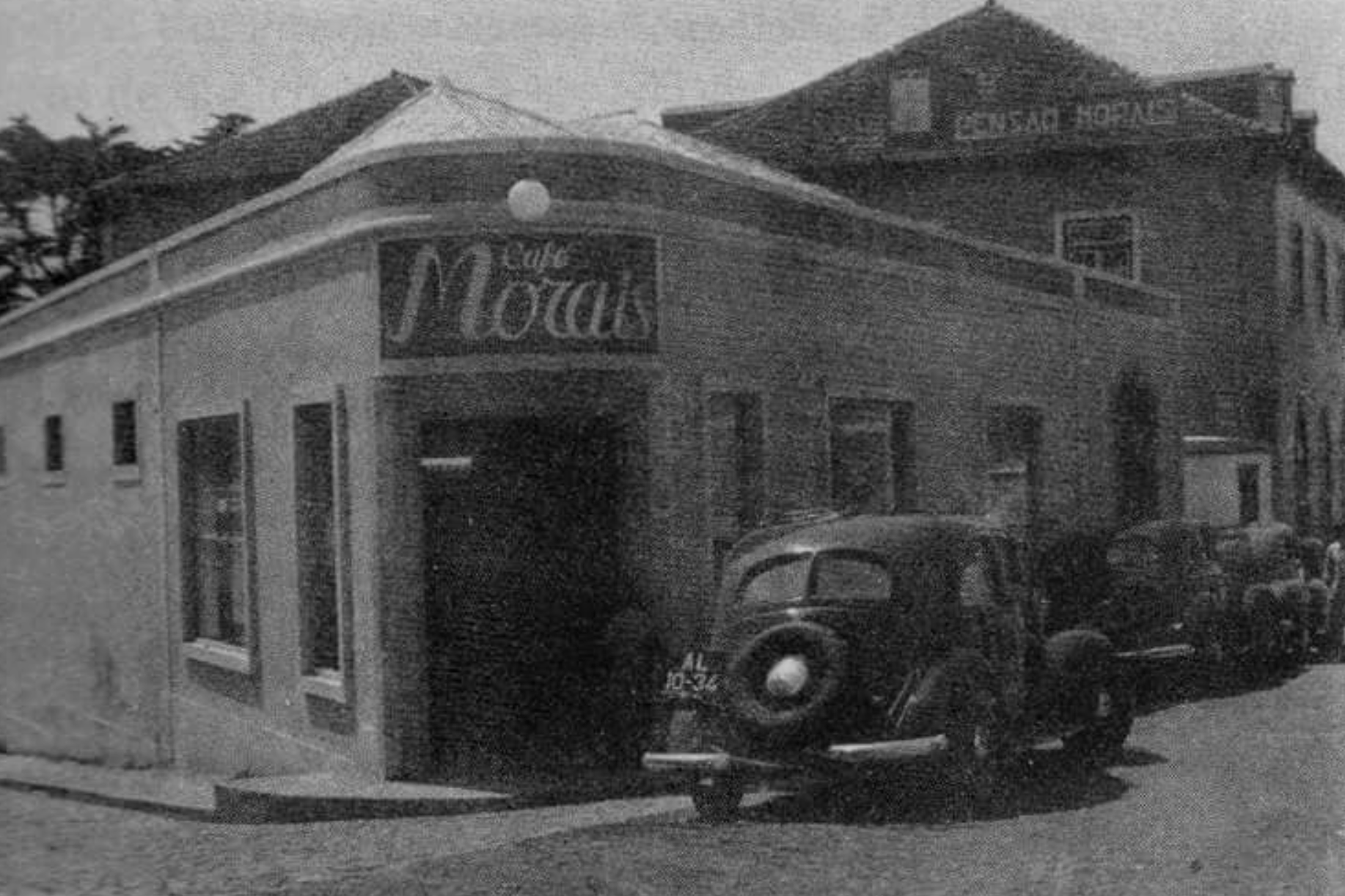
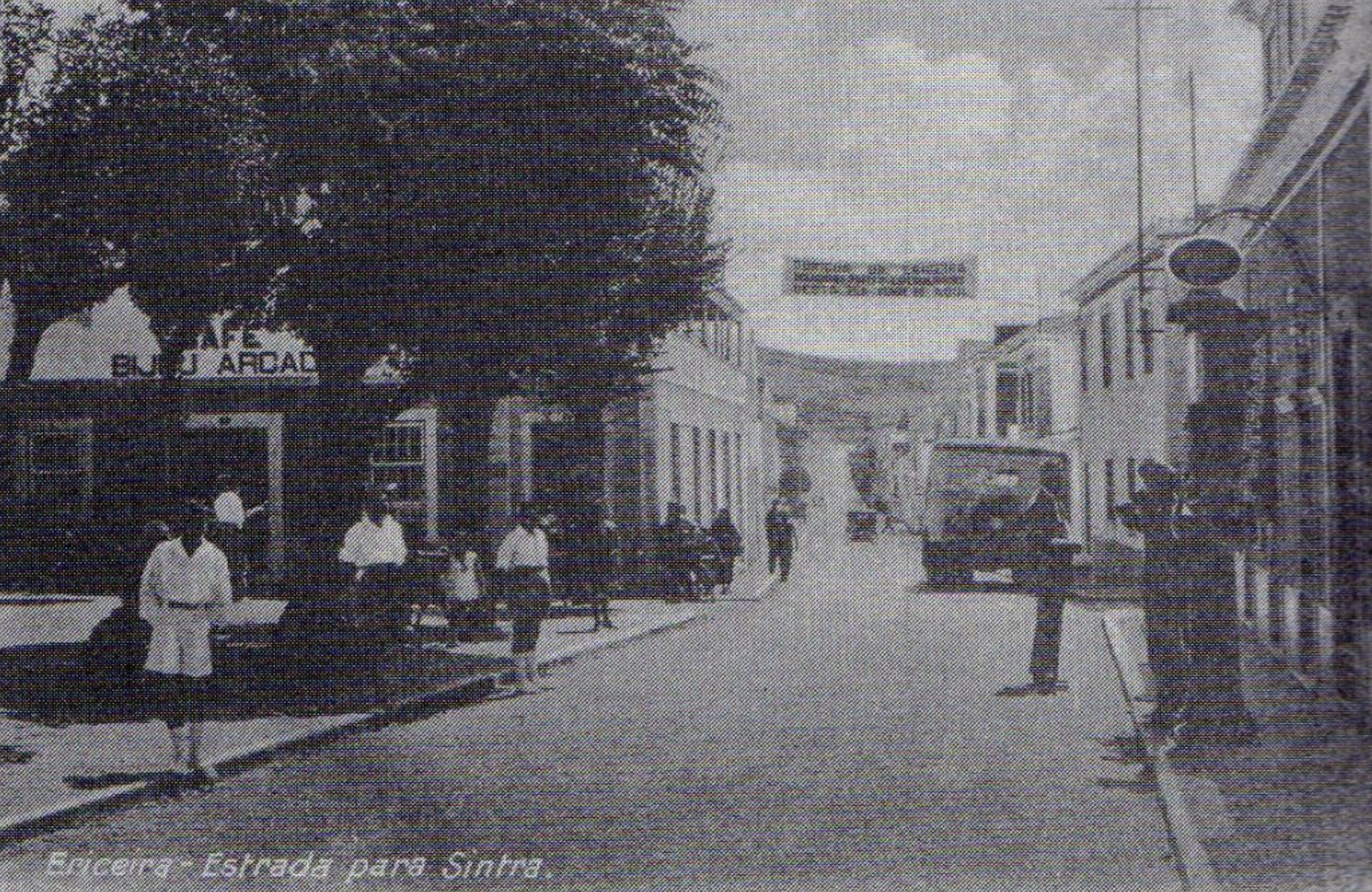
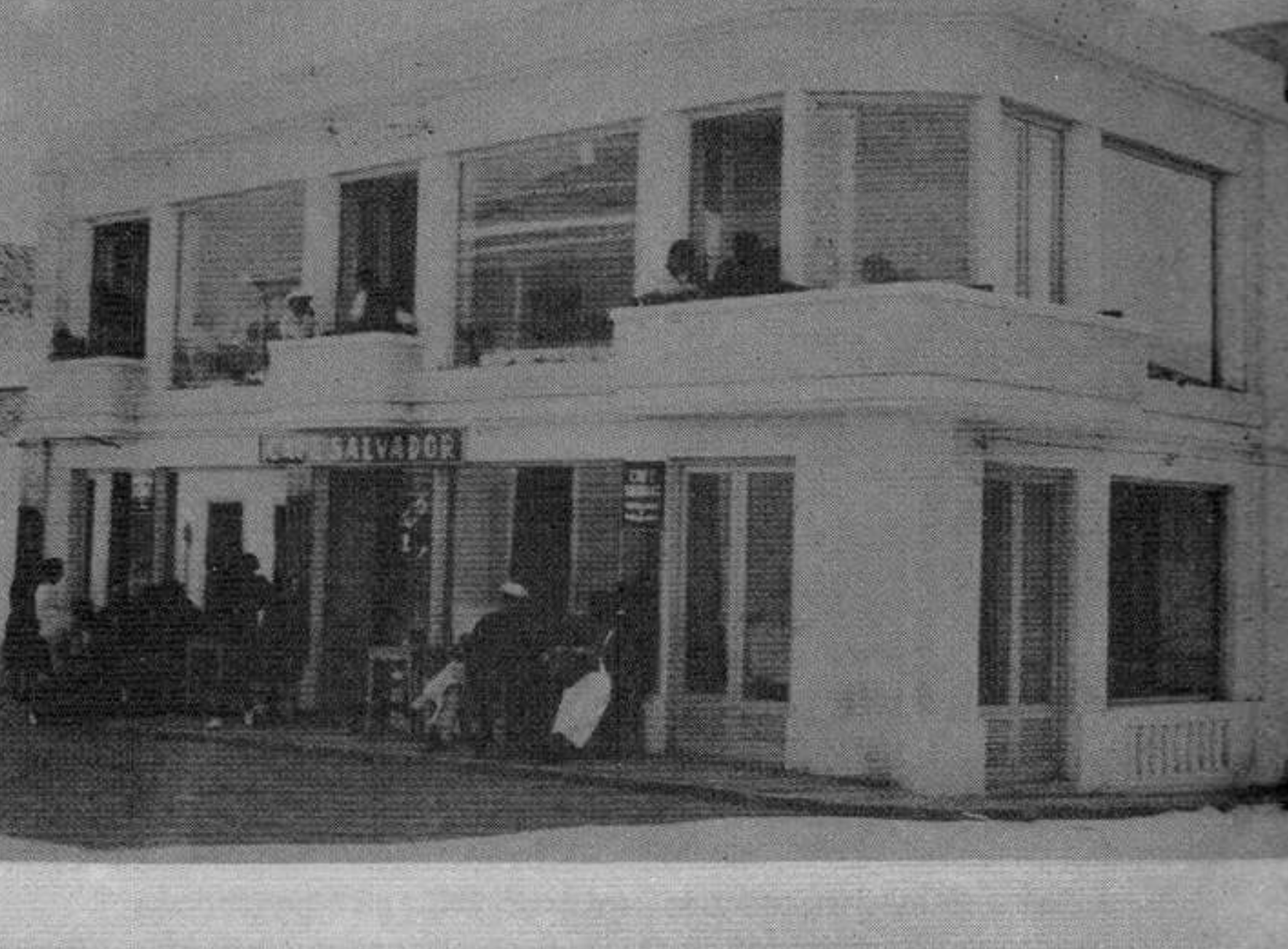
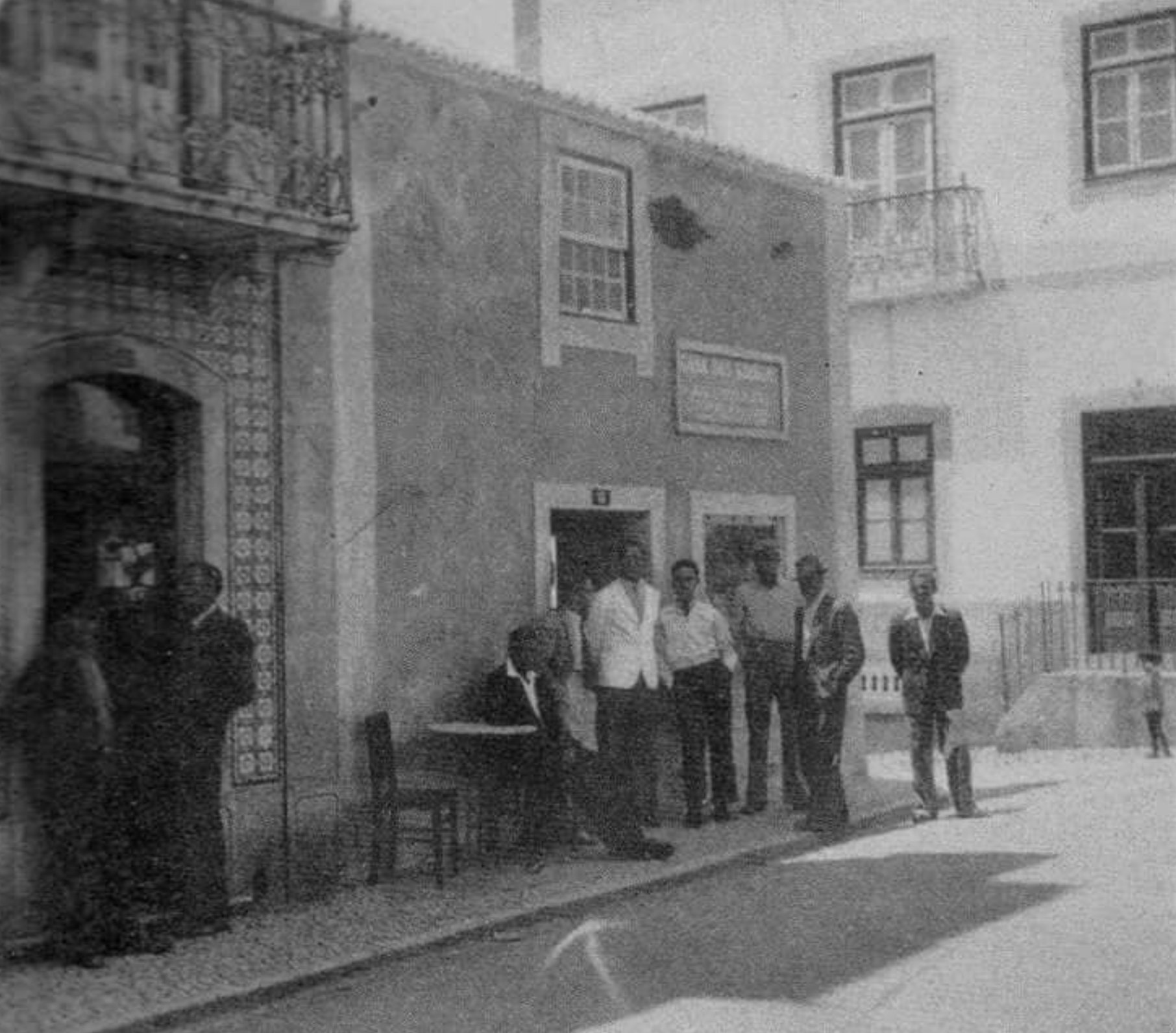
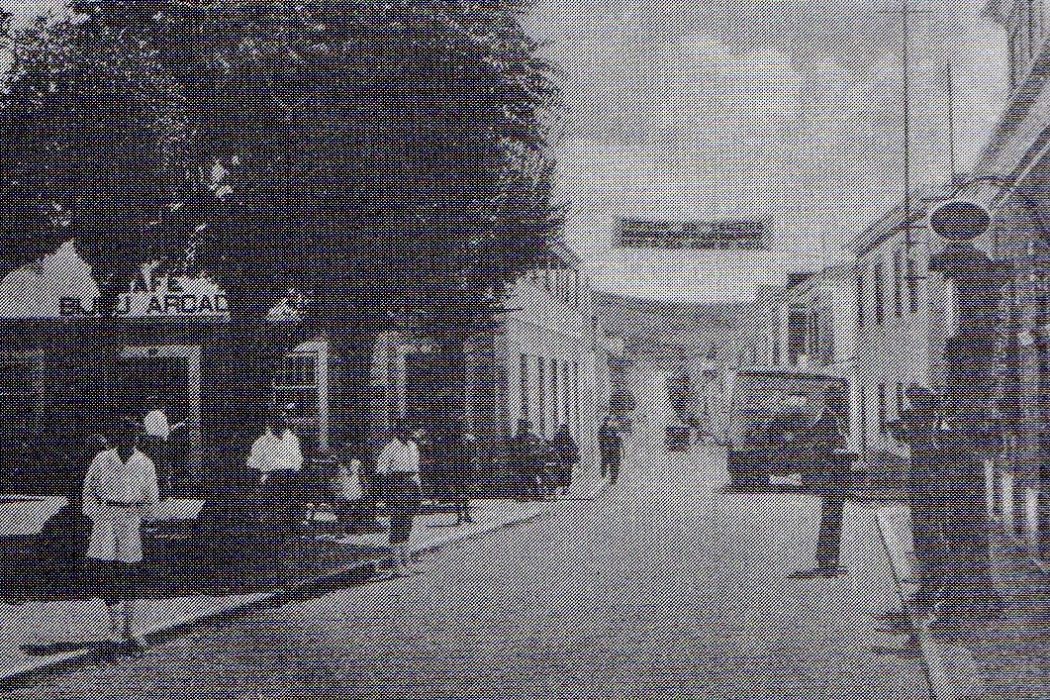
Pensão Morais on Rua Miguel Bombarda, where the first large group of refugees arrived in January 1942Café Bijou-Arcada, one of the few cafés of the timeCafé Salvador on Jogo da Bola square, an important meeting point of the refugee communityCasa das Cavacas at Praça da República, famous for homemade pastries and very popular with refugeesCafé Bijou Arcada, 1942
The first refugees to arrive in Ericeira, in May 1940, were the family of the Polish consul in Lyon, who had escaped France in a Berliet automobile. When they finally left Portugal, the family offered the car to the Ericeira firefighters, who converted it into the village's first "modern" ambulance.
Café Salvador, still standing today on Jogo da Bola square, was one of the most important meeting points of the refugee community - the place where news was exchanged, languages mixed, and onward journeys planned.
Thanks to the Italian refugees, Ericeira may well have been the first place in Portugal where pizza was eaten - and where locals first learned how to make one.
07 - The Casino
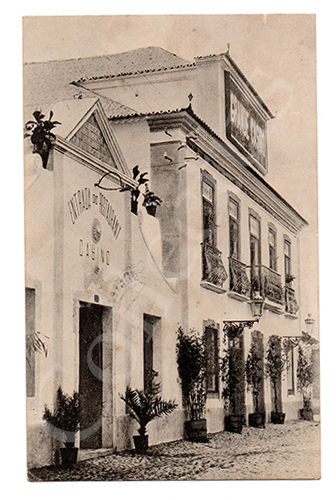
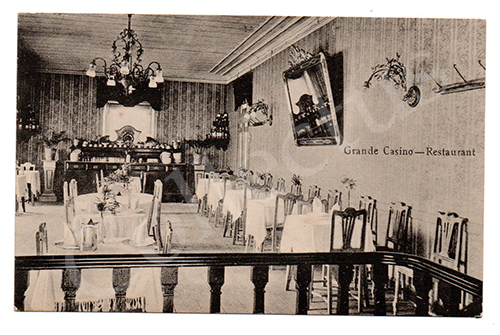
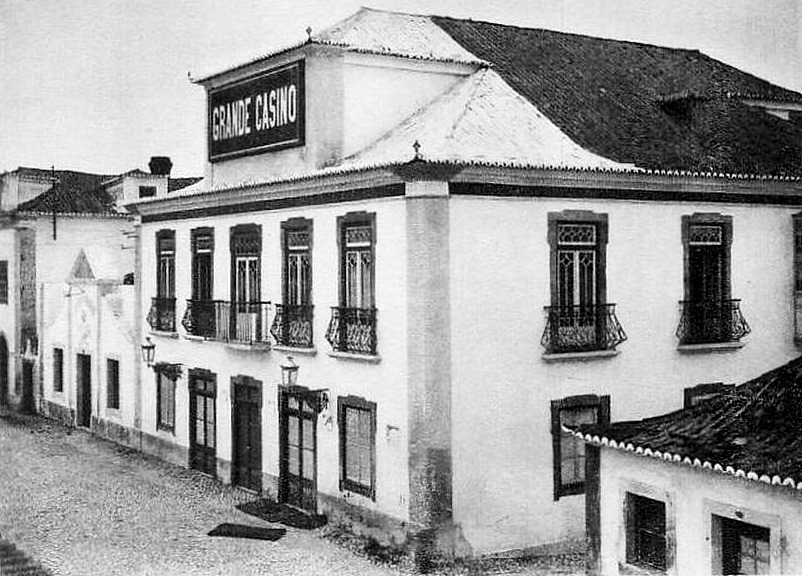
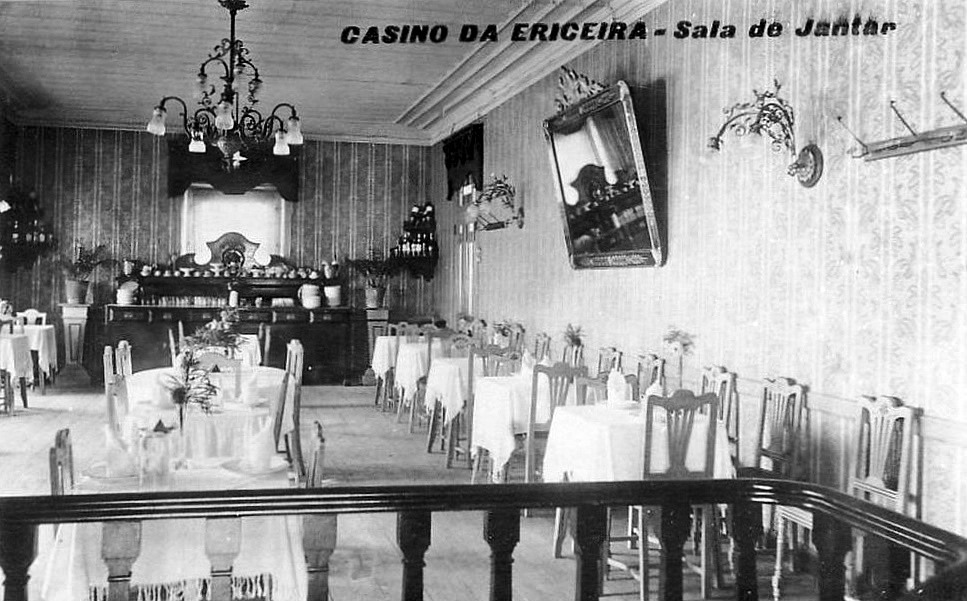
Casino da Ericeira
In the mid-20th century, the Casino da Ericeira was one of the social centers of the village - hosting dances, performances, and gatherings that brought together locals and summer visitors. It was a fixture of Ericeira's golden age as a coastal resort, embodying the lively social scene that defined the town before the surf era.
Like much of old Ericeira, the casino eventually faded as the town evolved. But its memory lives on in the stories of older residents who remember dressing up for Saturday night dances overlooking the Atlantic.
Entrance to the Casino Restaurant, postcard 1933Grand Casino Restaurant, postcard 1933Casino da EriceiraInside the Casino da Ericeira
08 - The Surf Revolution
1960s–2000s: A New Identity
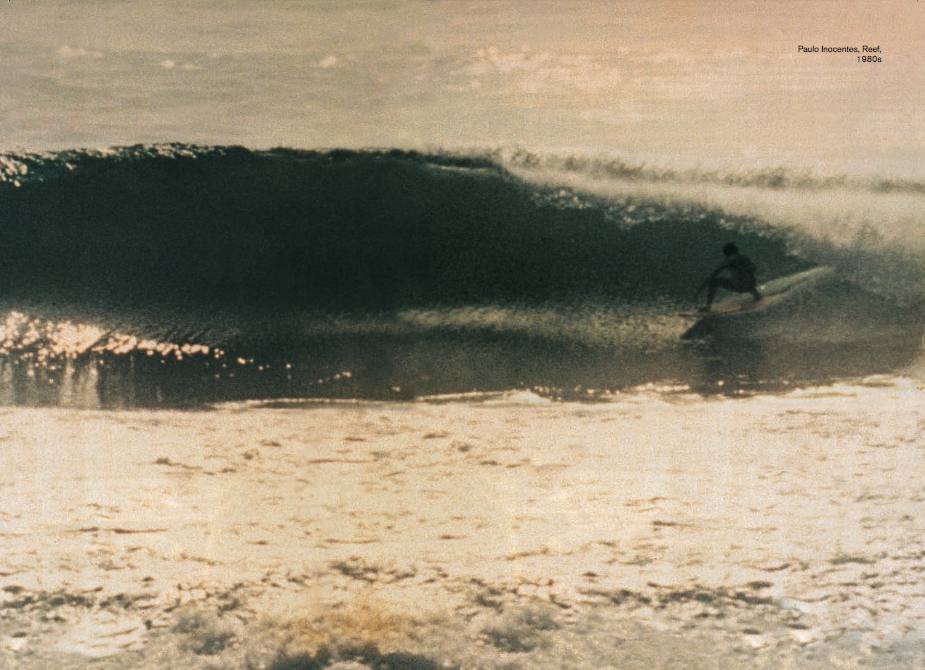
Portuguese surfers began riding Ericeira's waves in the late 1960s and early 1970s, drawn by the powerful reef breaks that the fishermen had always avoided. Coxos and Ribeira d'Ilhas - waves the locals knew as dangerous rock shelves - turned out to be world-class surf breaks. By the 1980s, word had spread through the European surf community, and the first international surfers began making the pilgrimage.
Paulo Incentes, Reef Ericeira, 1980s
The 1990s saw the first surf schools and camps open, transforming Ericeira's economy. Young locals who once would have followed their fathers onto fishing boats found a new livelihood in surf instruction and tourism. The fishing industry declined but never disappeared - a duality that still defines the town today.
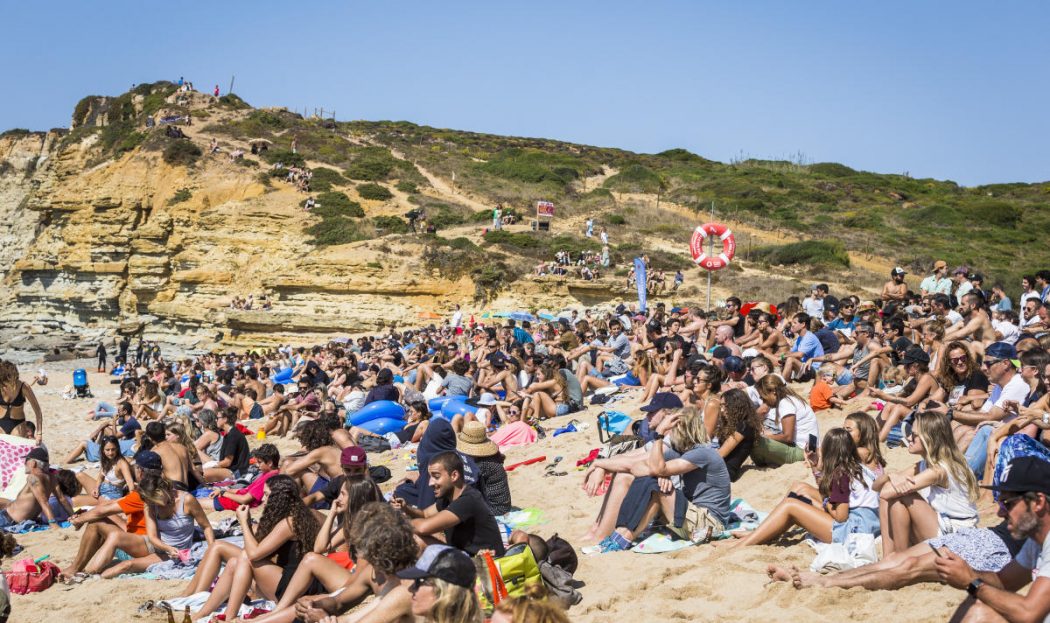
By the 2000s, Ericeira was hosting international surf competitions. Ribeira d'Ilhas became a regular stop on the WSL (World Surf League) European circuit, its natural amphitheater of cliffs providing a dramatic backdrop for world-class competition. The waves that fishermen once cursed had become the town's greatest asset.
09 - World Surfing Reserve
2011: Protected Forever
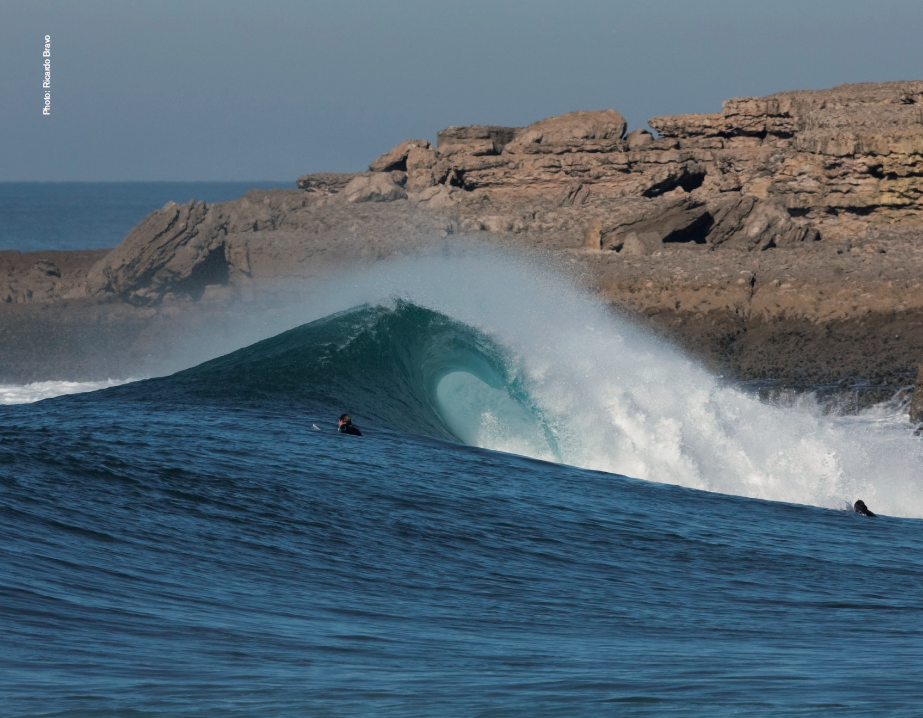
On October 11, 2011, Ericeira was designated a World Surfing Reserve by Save The Waves Coalition - the first in Europe and only the second in the world after Malibu, California. The designation protects a 4km coastal strip between Pedra Branca and São Lourenço, encompassing seven world-class waves: Pedra Branca, Reef, Ribeira d'Ilhas, Cave, Crazy Left, Coxos, and São Lourenço.
The WSR designation was a turning point. Ericeira's identity shifted from quiet fishing village with a surf scene to internationally recognized surf destination. Yet remarkably, the village has kept its character - the same cobblestoned streets, the same fishing boats in the harbor, the same family-run tascas. Ericeira absorbed the world's attention without losing its soul.
Ericeira World Surfing ReserveWorld Surf League competition at Ribeira d'Ilhas
10 - The Digital Chapter
2020: The COVID Spillover
When COVID hit in 2020, remote work went from niche to default overnight. Lisbon - cheap, sunny, safe, with great internet - became one of the world's top digital nomad destinations almost overnight. As the city filled up, the spillover was inevitable. Ericeira, just 35 minutes up the highway, had everything Lisbon offered plus surf, space, and fresh air. The move was a no-brainer.
Nomads.com (formerly Nomad List), the platform that ranks cities for remote workers by cost, internet speed, safety, and weather, put Lisbon at the top of the global rankings, making Portugal the default destination for a generation of remote workers. As Lisbon became popular, people looked for somewhere nearby with a more peaceful life. Ericeira - 35 minutes northwest, with surf, tranquility and a village pace - was the obvious answer. What had been a quiet trickle of indie hackers became a boom. Coworking spaces opened and coliving houses filled up.
Today, over 1,000 remote workers call Ericeira home, with over $100M in startups in Ericeira. The village that was once a Phoenician trading post has reinvented itself yet again - proof that a town founded three millennia ago still has new chapters to write.
"Ericeira has always reinvented itself - from Phoenician port to medieval trading post, from royal retreat to fishing village, from surf town to tech hub. The one constant is the Atlantic."
Stay in the Loop
Get the Ericeira newsletter
Surf conditions, new restaurants, community events, and local tips. One email, when it matters. No spam.